
How to choose and store natural oils
Food oil or care oil? Glass or plastic? Where to keep it and how long it lasts: a short, practical guide before you pick your next bottle.
2 min read
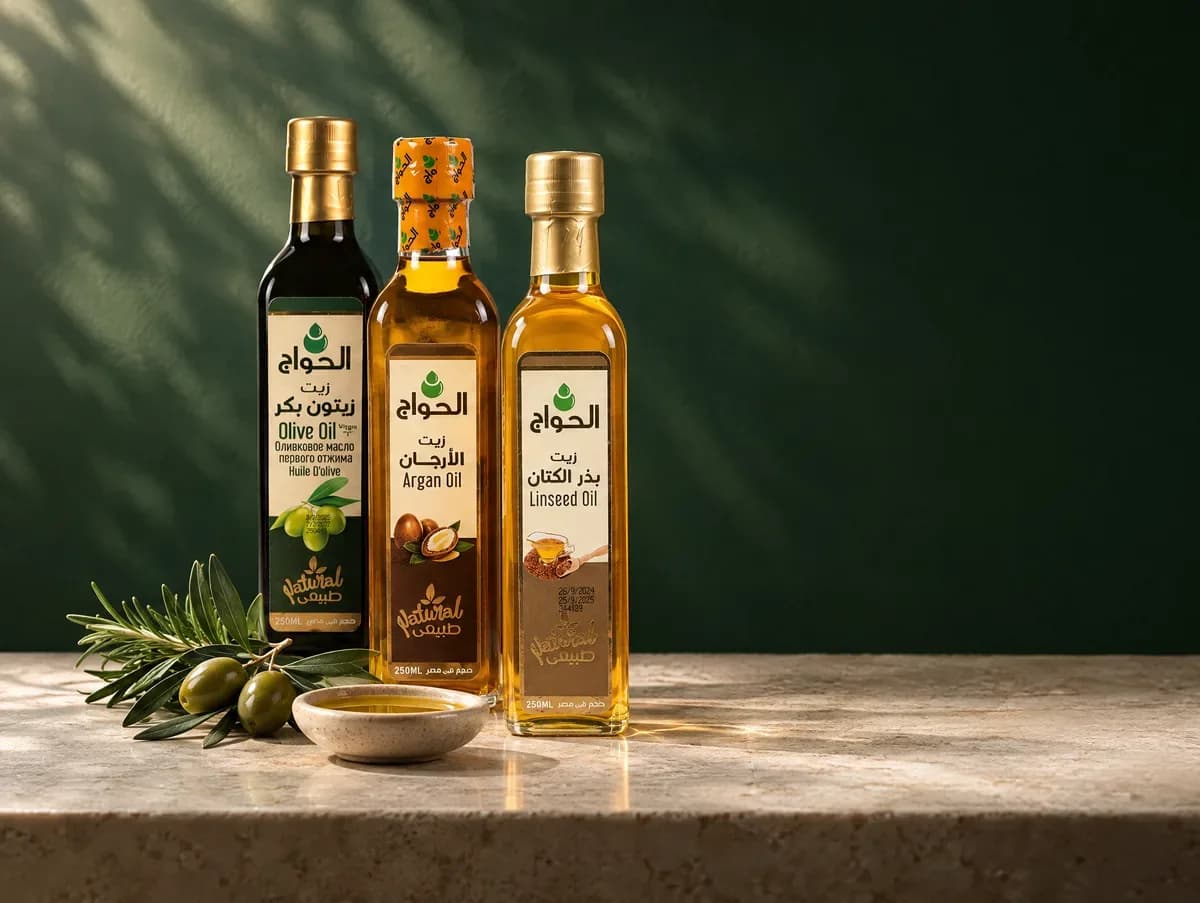
The attar's shelf holds dozens of oils, and each one has its job. Before you buy, ask three simple questions: what will I use it for, how much will I use, and where will I keep it?
First: a food oil or a care oil?
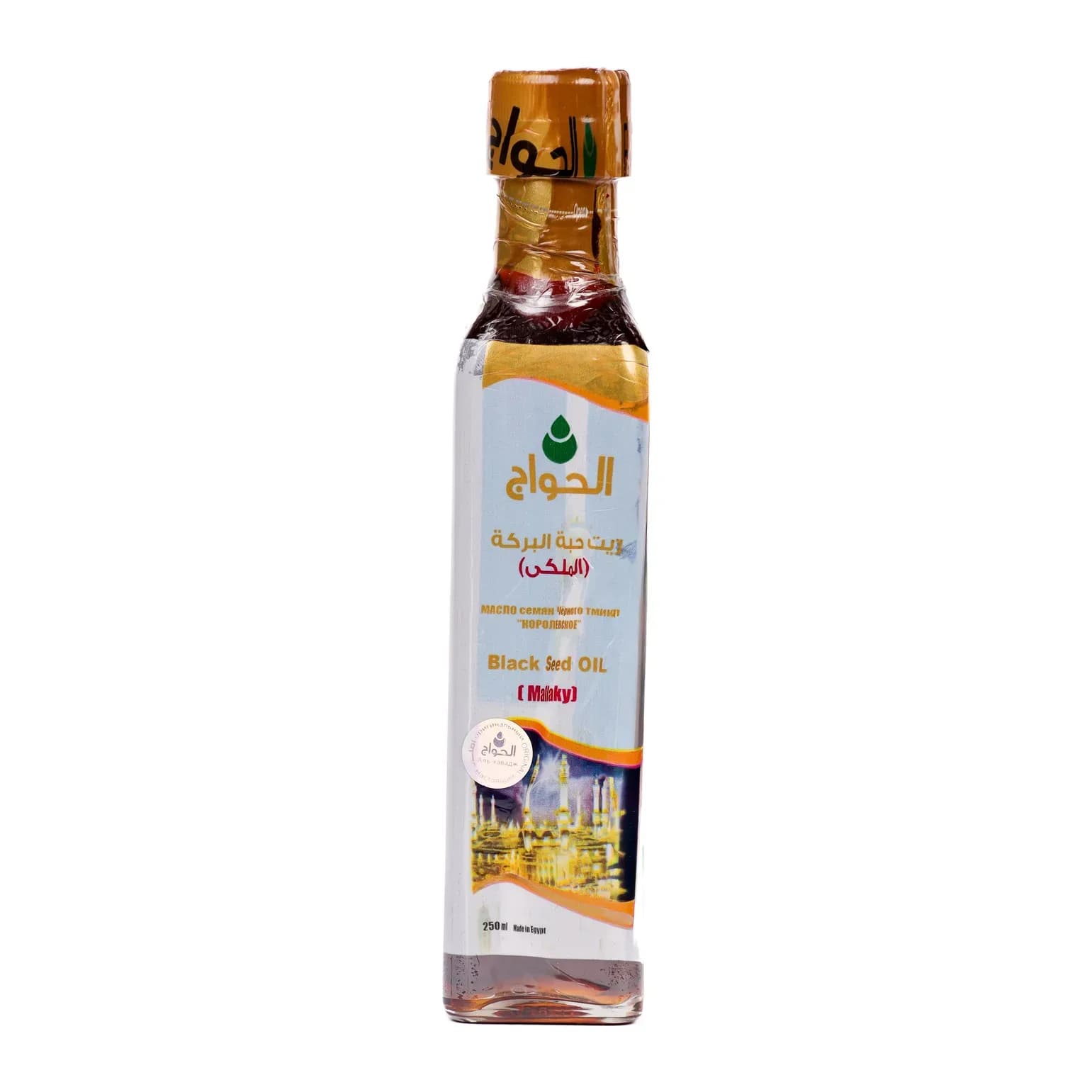
Some oils work in the kitchen and in your care routine, such as olive oil, coconut oil and sesame oil. Others are for external use on skin and hair only, such as castor oil, rosemary oil and essential oils. Always read the product description first, and never cook with an oil labelled "for external use".
For the kitchen: olive oil in glass and food-grade coconut oil.
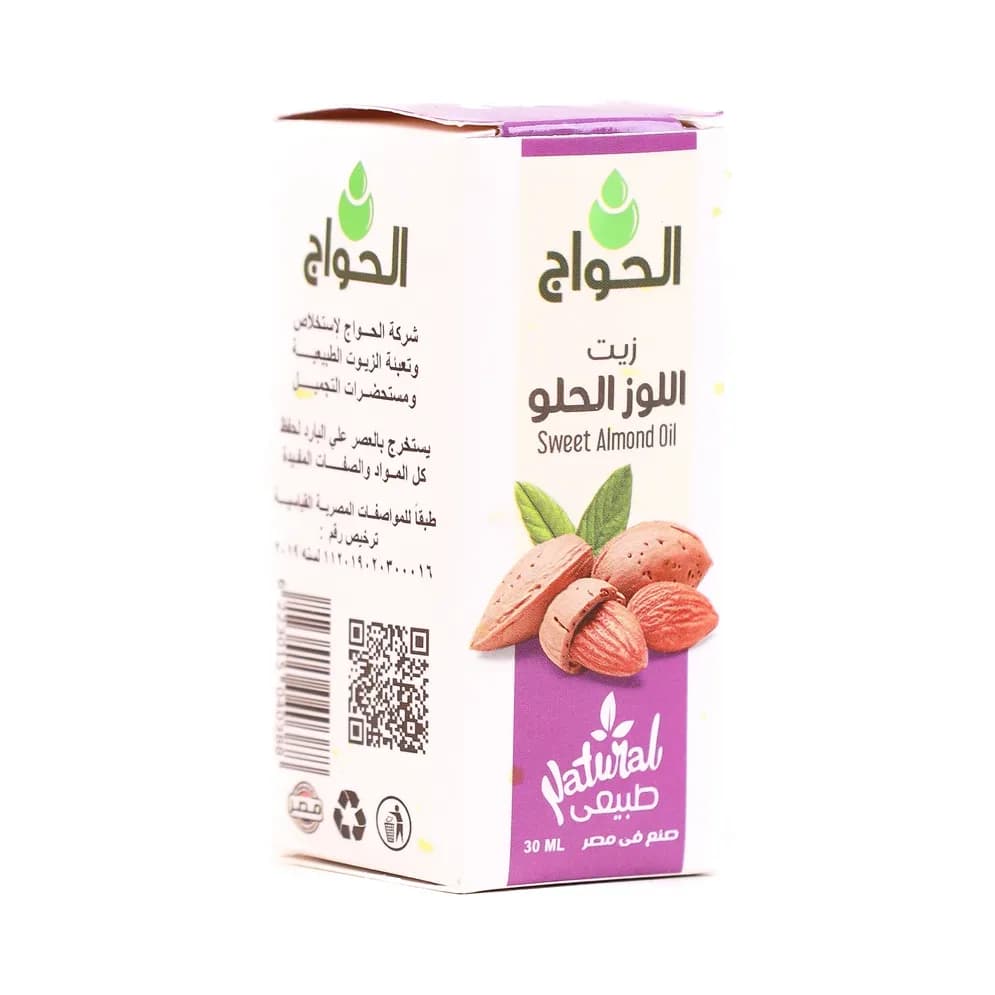
For skin and hair: sweet almond oil, jojoba oil and argan oil.
Second: dark glass is an oil's best friend
Light, heat and air are the three enemies of oil. Delicate oils are best kept in dark, tightly closed glass bottles. If you use an oil every day, a small bottle is enough and stays fresh; if you cook with it often, a larger pack is better value.
Third: where to keep it
Somewhere cool and dark, away from the stove and direct sun.
Close the cap firmly after every use.
Never pour used oil back into the bottle.
If the smell changes or turns rancid, it is time for a new bottle.
A tip before using any new oil on your skin
Put a small drop on the inside of your forearm and wait a full day. If there is no redness or itching, you can use it with confidence. Concentrated essential oils should always be diluted in a carrier oil, such as sweet almond oil, before they touch the skin.
A good oil goes a long way: a few drops are enough, and the right storage makes it last.
Browse every oil in the oils section. For any question about how to use a product, call our hotline 16703.
Keep reading
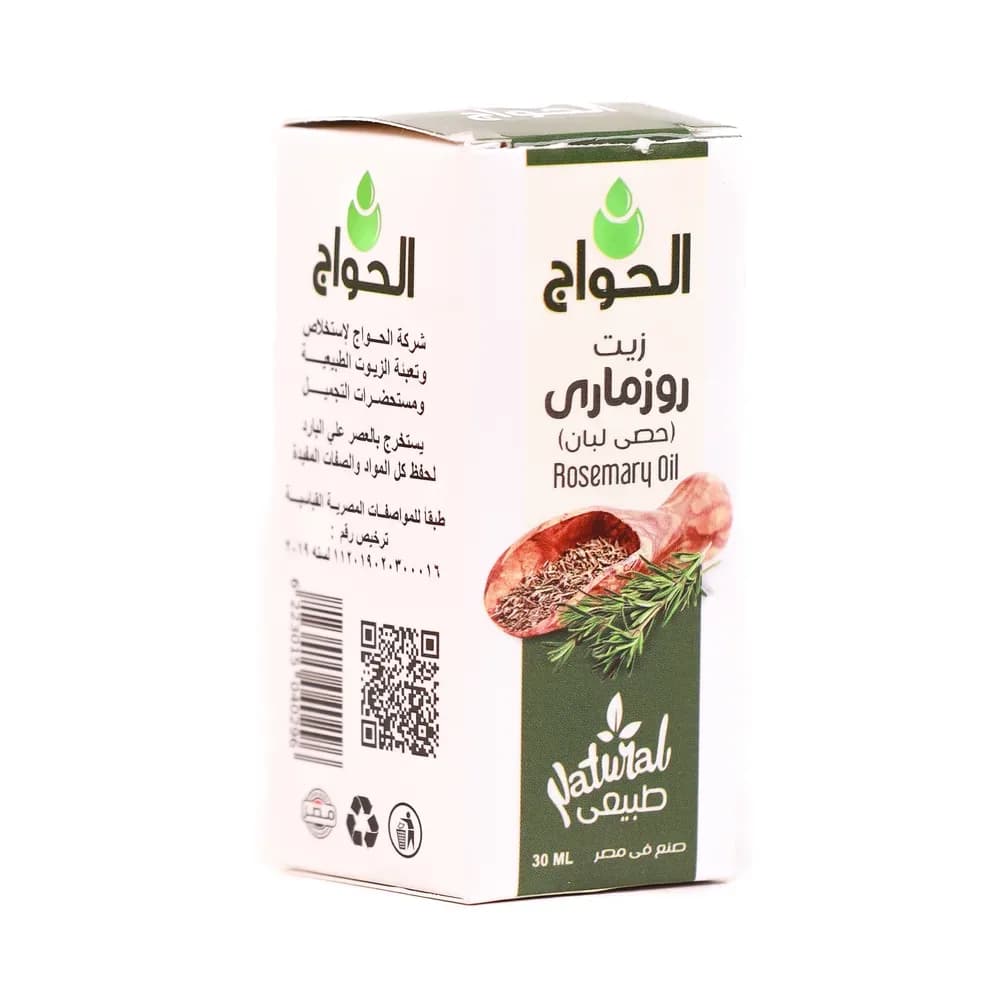
A simple weekly hair-oil routine
Easy steps for oiling your scalp once or twice a week: which oil to pick, how much to use, and how to wash it out without weighing your hair down.
1 min read
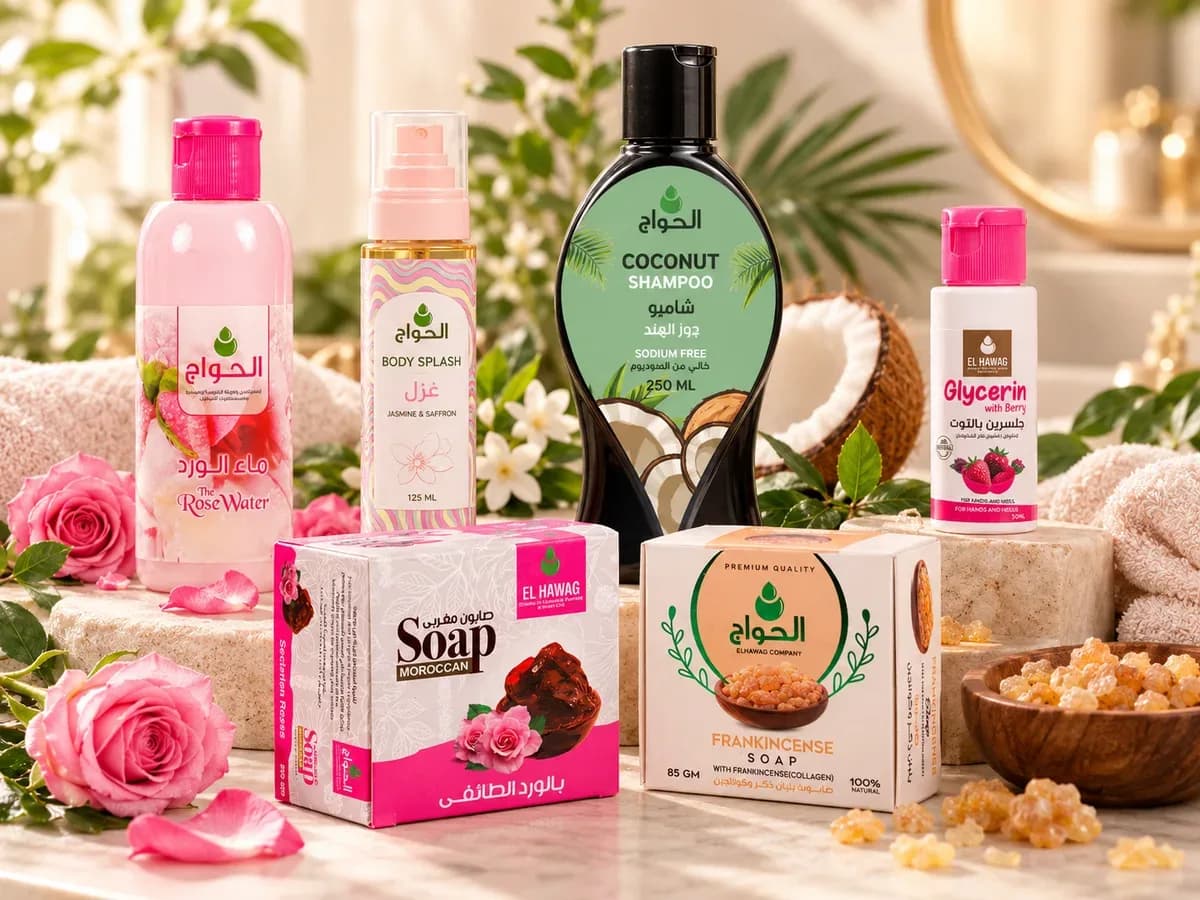
Rose water, glycerin and shea butter: three basics for your skin routine
Three simple products from the attar's shelf cover the daily moisturising steps: how to use each one, when, and how much.
1 min read
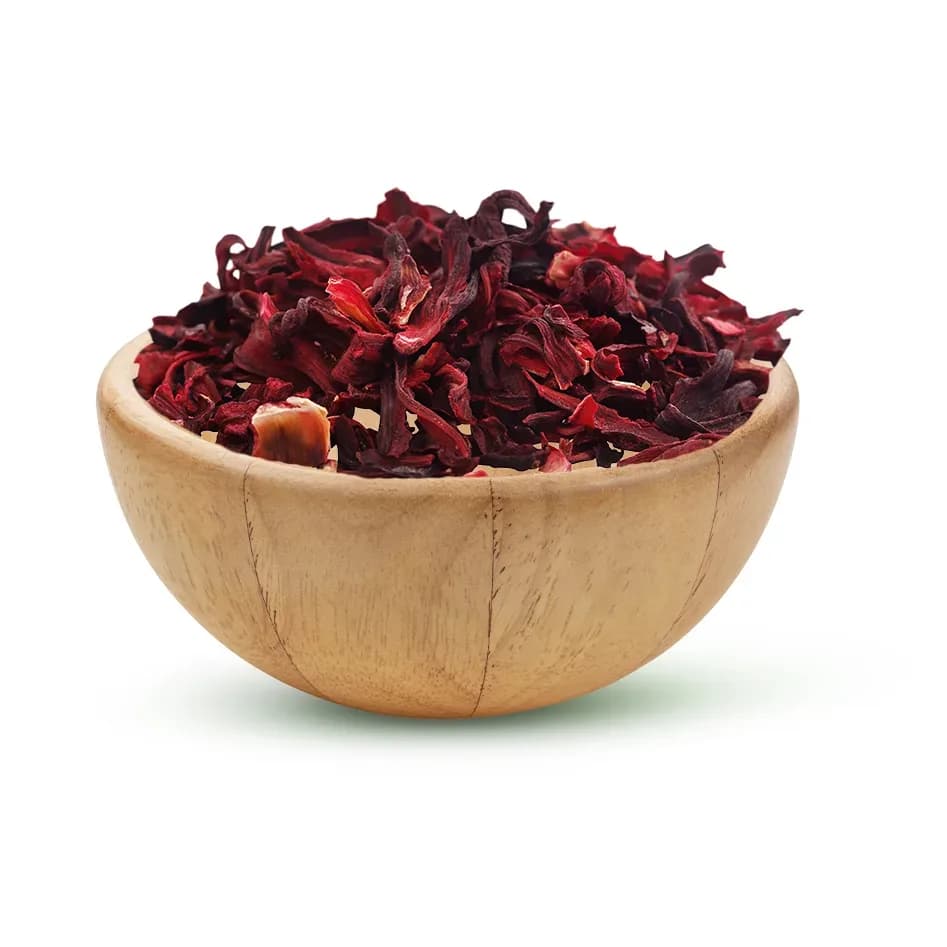
Warm herbal drinks from the attar's shelf
Hibiscus, anise, chamomile, cinnamon and ginger: how to make a good cup of each, plus storage tips.
1 min read